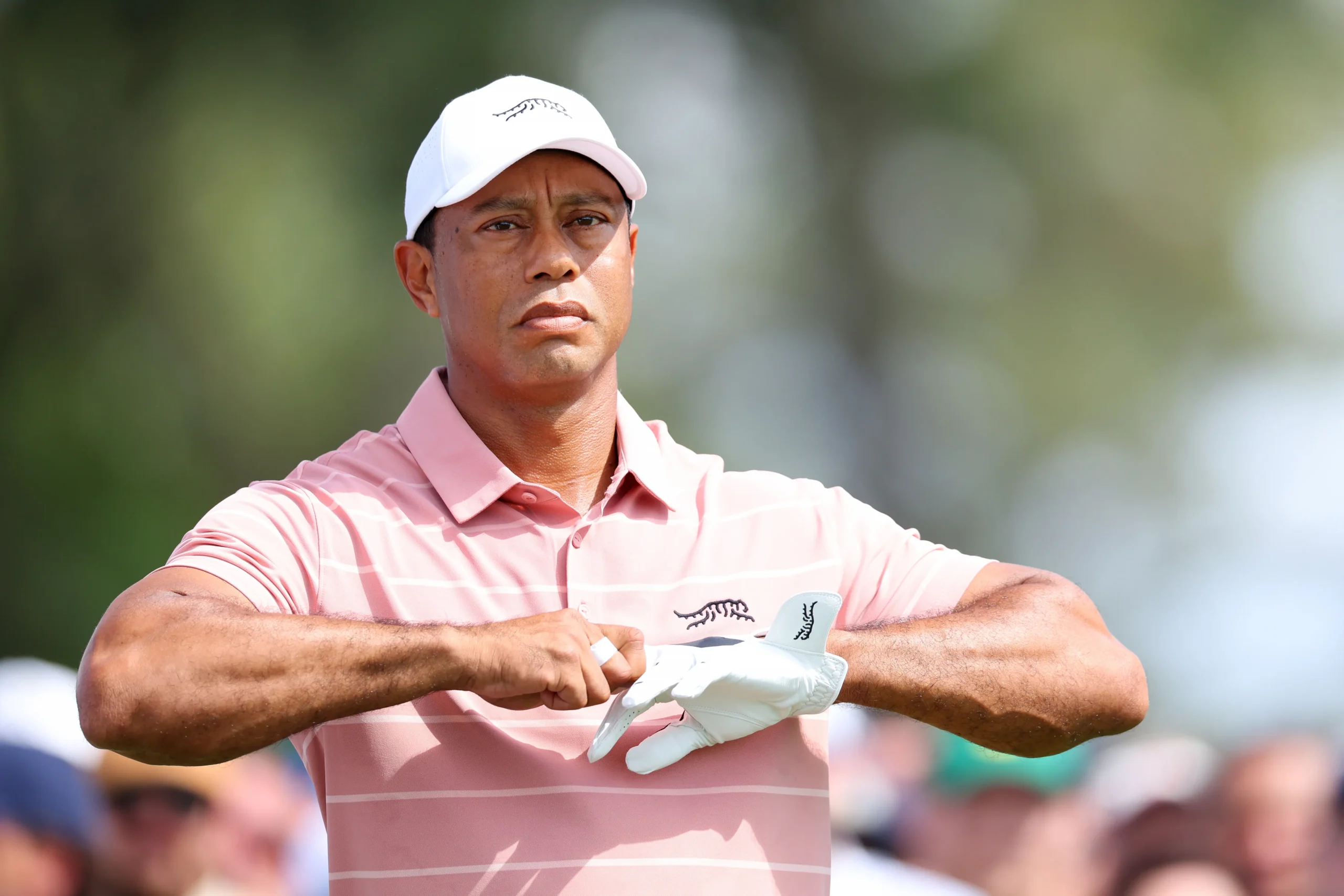
Tiger Woods’ Masters hopes linger as DUI scrutiny clouds his latest comeback bid
The timing could hardly be more complicated for Tiger Woods. Just days after signaling progress in his return to competitive golf, the 15-time major champion must now juggle renewed Masters ambitions with the fallout from a high-profile arrest.

Authorities in Florida arrested Woods after a rollover crash. He now faces charges of driving under the influence, property damage, and refusing a lawful test.
Investigators say Woods’ vehicle struck a trailer before flipping. Despite the severity of the crash, no one suffered injuries.
This legal setback alone could derail any athlete’s short-term plans. For Woods, it comes at an already uncertain moment in his career. The 50-year-old recently admitted the physical toll of decades in professional golf, saying, “This body doesn’t recover like it did when I was 24 or 25.”
In recent years, injuries have shaped Woods’ schedule. Since his historic win at the Masters Tournament in 2019, he has managed multiple surgeries and recovery periods. A serious car crash in 2021 further limited his appearances.
Still, Augusta remains within reach.
Woods enjoys a unique relationship with the Masters. As a past champion, he holds a lifetime exemption to compete. If he feels physically ready and faces no restrictions, the decision to play rests entirely with him.
Before this incident, Woods had steadily built momentum toward another appearance. He trained carefully and hinted at a possible return. His presence alone draws global attention and boosts the tournament’s profile, regardless of his performance.
Now, new challenges complicate that path.
The legal case remains unresolved, and the incident may disrupt his preparation. At the same time, public scrutiny has intensified again—something Woods has faced throughout his career.
Authorities reported signs of impairment at the scene, though a breath test showed no alcohol. Investigators suspect medication may have played a role. This detail mirrors his 2017 arrest, which Woods later linked to prescribed drugs.
That history adds complexity to the current situation. Woods has built his legacy not only on dominance but also on resilience. Time and again, he has battled back from injuries and personal setbacks.
Now, he faces another test—one that could shape both his comeback and his legacy.
